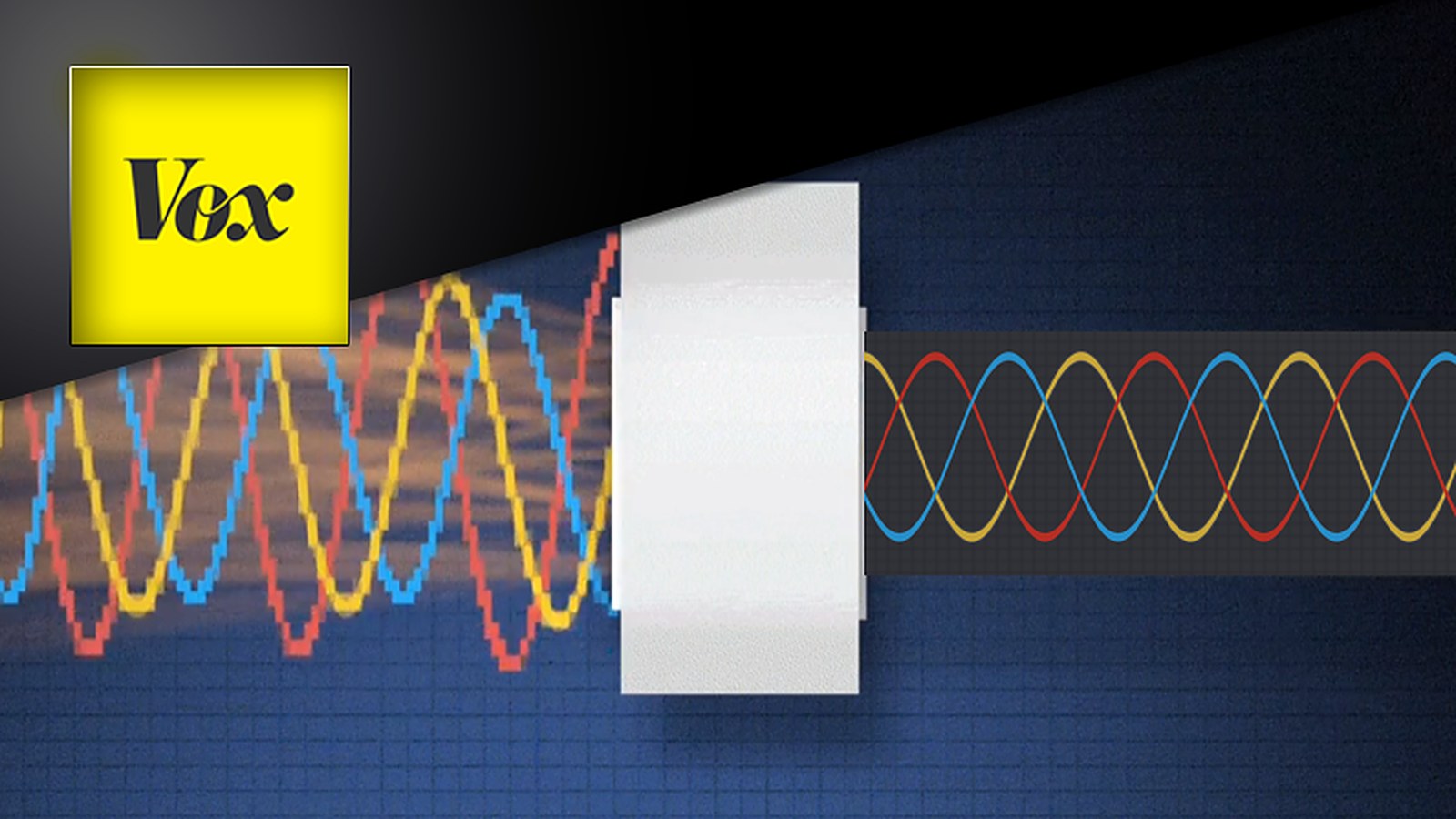


Our early research wrote it plainly: the difference in current balance across phases returns directly as current on the neutral line. A neutral sized for balance carries the imbalance as heat.
That makes phase balance a safety property. Excess neutral current raises conductor temperature, lifts neutral-to-ground voltage, and interferes with electronics that reference ground. The common fix, a thicker neutral, contains the heat and keeps the cause.
Balance also moves all day. Single-phase loads switch on and off, and the balance that existed at commissioning erodes by afternoon. A one-time rebalancing is a snapshot. Continuous balancing is the fix that holds.
The mechanics of neutral current and voltage imbalance are on the Phase Balance page.
Where neutral current comes from
A three-phase system assumes three equal currents, 120 degrees apart. Real panels miss that: single-phase loads land unevenly, and the utility feeder can arrive already unbalanced. What is left over is a negative-sequence current, which turns the other way, and a zero-sequence current, which the three legs share. The Phase Balance page traces the zero-sequence current back to the source on the neutral.
The neutral carries three times the zero-sequence current, so its loss scales with the square of that. Electronics add a second cause. The triplen harmonics, the 3rd, 9th and 15th, add on the neutral rather than cancel. A neutral sized for near-zero current can then carry more than a phase, as the Harmonics page explains.
What unbalance costs, and how it is defined
Motors pay first. Current unbalance runs 6 to 10 times the voltage unbalance. In the Department of Energy’s worked example, 2.5% unbalance on a 100 hp motor adds 9,517 kWh a year of loss. At US $0.08 a kWh, that is US $760 a year.
Unbalance has two definitions, and 2% under one is not 2% under the other. NEMA and ANSI use the largest deviation from the average line voltage. IEEE 1159 and the IEC use the ratio of negative-sequence to positive-sequence voltage. A report that does not name its definition reports nothing.
Where this stands today
The Phase Balance page makes the same case: neutral current is a safety issue before it is a loss. Our controller supplies the negative-sequence and zero-sequence currents the loads draw, and it rebalances as loads switch.
On the Data Centers and Compute page, the same correction leaves the feeder neutral carrying near zero for phase-to-neutral loads, within the controller’s rating. The branch circuits keep their own unbalance. In a test an independent third party facilitated at a 208 V panel, the neutral current fell from 15.6 A to 2 A with one unit on. Start by logging the three phases and the neutral before rewiring anything.
Related reading
- Industrial and Manufacturing: drives, servos and welders that draw pulsed, unbalanced current
- Voltage Stability: the voltage at a panel as a symptom of the current