
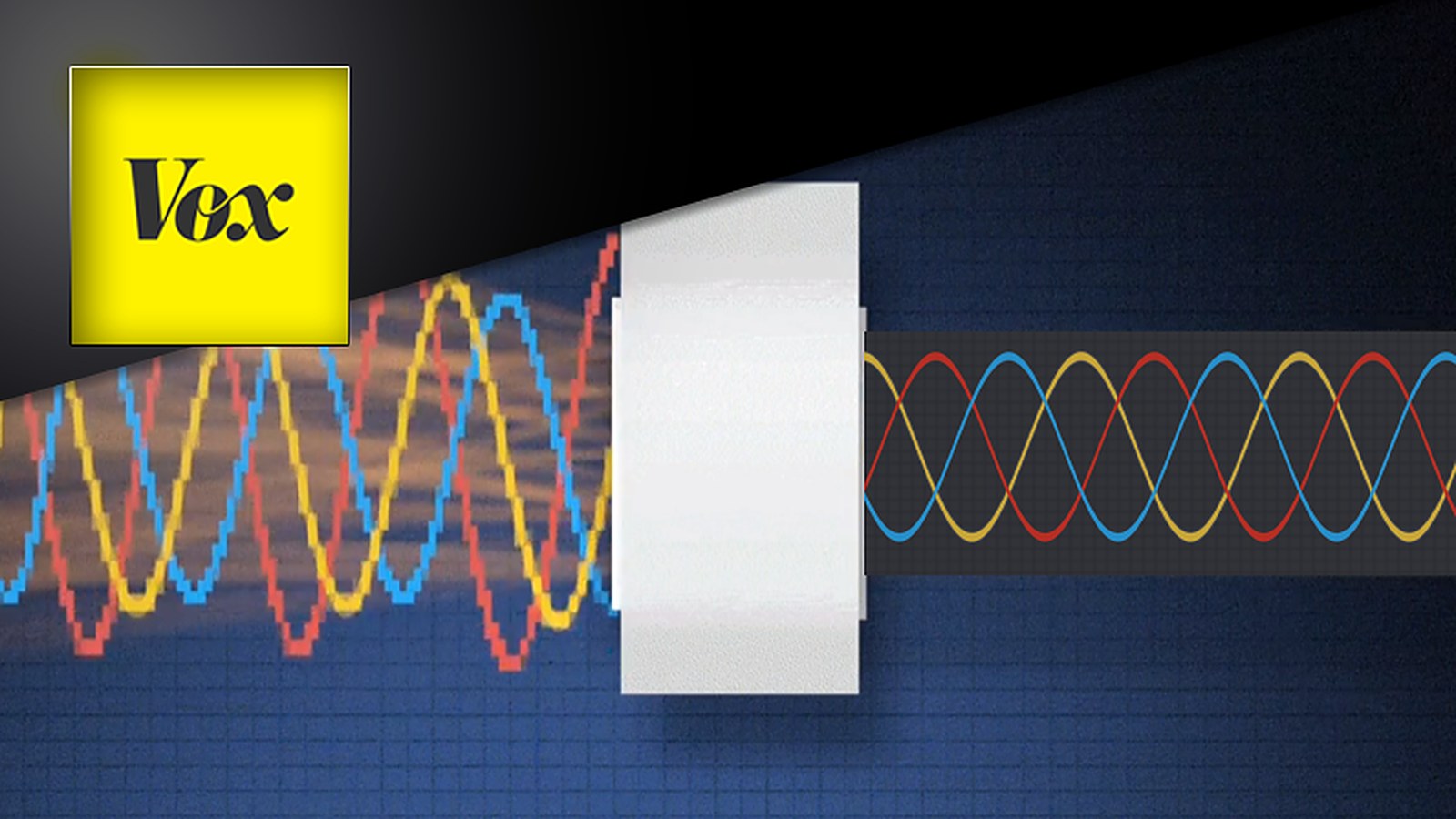

3DFS Technology was highlighted in an article by David Roberts on Vox.com in an article entitled, “This technology could fundamentally change our relationship to electricity.” Through the article, David walks through some of the innovation behind Software-Defined Electricity and lays out the case that 3DFS technology widely adopted “would radically hasten both electrification and decarbonization, proving a weapon against climate change at least as potent as renewable energy itself.”
Part of the article highlights how 3DFS can provide insight that can “vastly enhance our understanding of electricity” including shedding light on the confusing category of “Conversion Losses” that is frequently highlighted in the Lawrence Livermore National Laboratory Chart of Energy flow in the United States. The heart of the contention lies at the generation of electricity, where the turbine and generator are working together.
If implemented at this point, 3DFS Technology would allow for the synchronized generation of electricity thereby reducing the amount of losses experienced reliving stress and loss that traditionally affects the turbines performance during the process of generation. 3DFS Technology would allow for the complete categorization of all electrical energy related losses in a power network, which is fundamental for control.
The article goes a bit into how Software-Defined Electricity works and touches on the Task Oriented Optimal Computing (the technology is Software-Defined Electricity today) which is the brains behind the system and explains the data and predictive analytics possibilities. From there, an interview with Michael Heuberger, CEO of Freudenberg IT reveals the extent to which he has been impressed with the technology and his plans on incorporating it within their operations. Further along, an interview with Mike Gaffney reviews the possibilities and positive steps toward incorporating Software-Defined Electricity onto naval vessels.
The article finishes out focusing on the future of microminiaturization of Software-Defined Electricity onto a chip and the company’s plans to grow organically while maintaining control of the technology as operations are expanded.
This is the best single article written about Software-Defined Electricity. We recommend anybody who is interested in learning more, start with this article.
Where electricity is lost
Lawrence Livermore National Laboratory (LLNL) charts the energy of the nation each year with the Department of Energy. The charts follow the energy from the fuel to the work it does. They also show where the record stops. The About 3DFS page follows that chart stage by stage.
The line that holds the loss has changed its name. The 2002 chart calls it lost energy and draws electrical system energy losses as a stream of their own. The later charts call it rejected energy.
A power plant takes in more energy than it sends out. On the wires, imbalance adds to the losses. Inside the facility, poor power quality turns more of the delivered electricity into heat.
The facility losses sit after the meter, in the panels and the machines. That is where our controllers connect. They correct harmonics, power factor, phase imbalance and impedance mismatch together, because these are one distorted current.
Where this stands today
The Press and Case Studies page lists Vox among the publications that reported on our work. Its entry links to the original article. The About 3DFS page records it as a feature by David Roberts, with two named, independent witnesses.
The Generation page covers correction on the generation side. There a VectorQ controller connects in parallel with the generation source, at the generator or inverter output bus.
Related reading
- SDE Summary: measure, model, correct
- Data Centers & Compute: efficiency and ride-through
- Maritime: ships and shore power


Comments